Today I was chatting with a parent in our program about something I think most of us wonder at some point:
How do we make learning more engaging? How do we help our kids want to learn instead of battling them through it?
Workbooks feel comfortable—
they’re open-and-go, predictable, easy to document, and they make us feel like we’re “covering everything.” And honestly, we do use a few in our home—Handwriting Without Tears, Math with Confidence, and a word work notebook I’ve built using Words Their Way and Little Minds at Work.
But workbook learning is only about 15 minutes of our day.
The rest is hands-on, experiential, meaningful.
Because while worksheets can fill pages, they don’t always fill minds—or hearts.
My hope with this post is to share some of our favorite hands-on approaches for each subject—what kids are actually learning, and how you can make curriculum work for you instead of dictating your days.
A full language arts curriculum really has three parts:
- Writing — communicating ideas through speaking, drawing, writing, or presenting.
- Reading (literature + informational) — gathering information through books, listening, or viewing.
- Speaking, listening, collaborating — sharing thoughts, engaging in discussion, asking questions.
Let’s break it down and make it real.
✍️ Handwriting: It Doesn’t Have to Start with Pencils
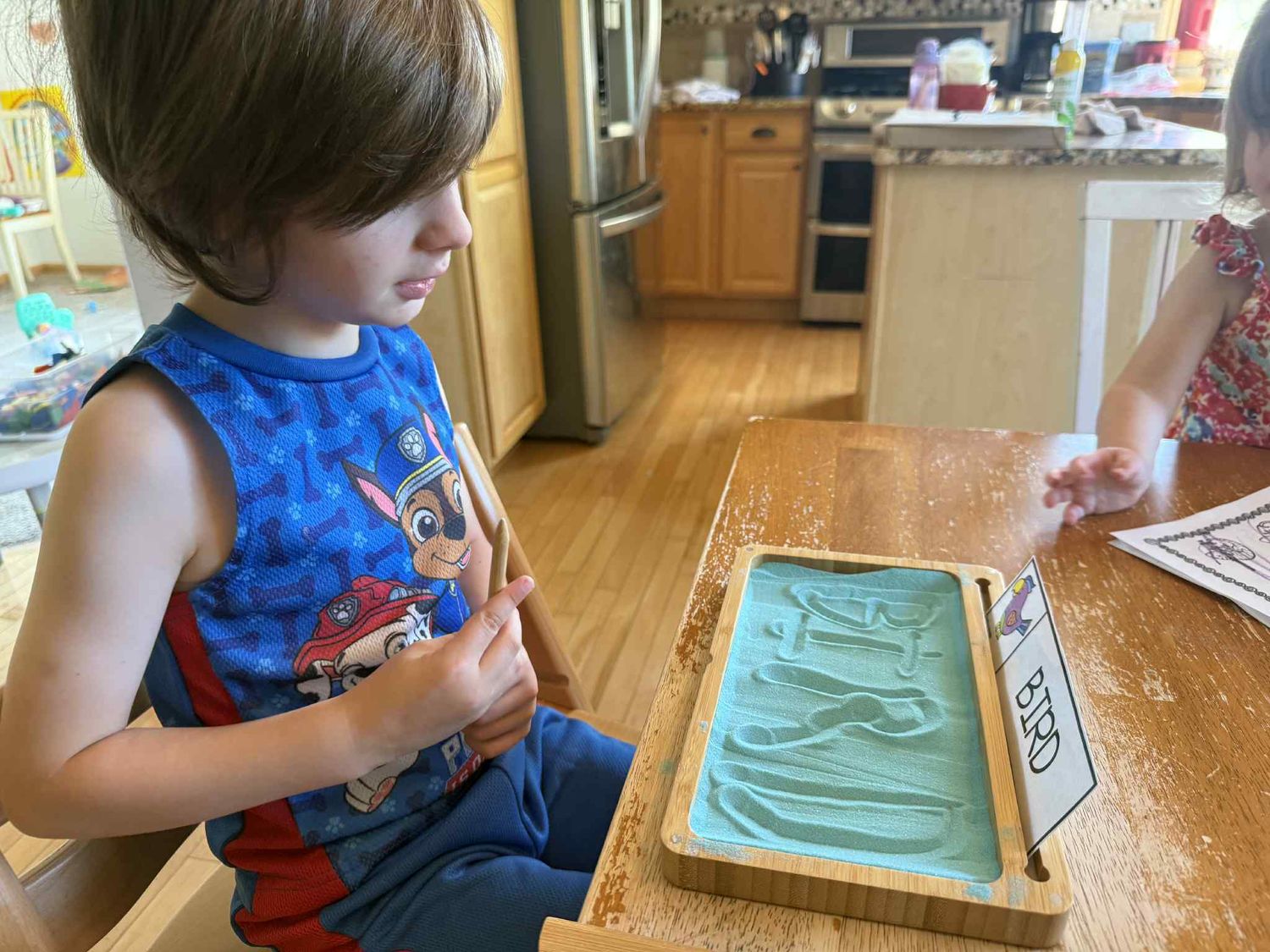
Eventually writing requires paper and pencil—but young children can learn letter formation through movement, touch, and play.
Handwriting Without Tears does this beautifully with its developmental sequence and multisensory tools:
- Wet-Dry-Try on mini chalkboards
- Roll-a-Dough letters
- Wooden pieces (big line, little line, big curve, little curve)
- Magnetic boards and letter cards
You can take it even further with:
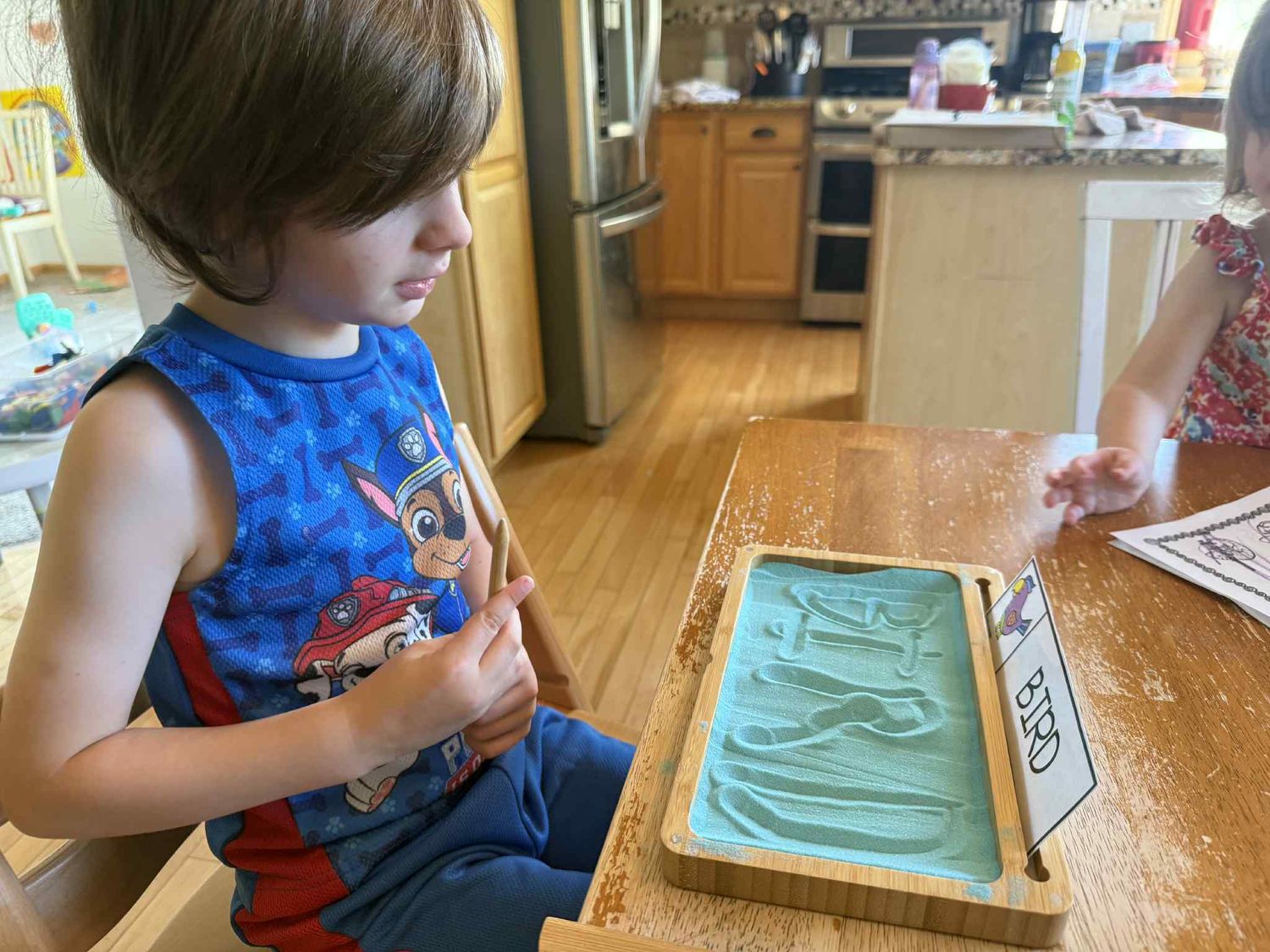
- Writing letters in sand, salt trays, or mud
- Shaving cream or whipped cream on a baking sheet
- Finger tracing on a fogged-up window
- Sticks in snow or dirt
- Forming words with Wikki Stix, pipe cleaners, letter beads, stamps, or playdough
These ideas work for:
✔ Letter formation
✔ Sight words
✔ Name writing
✔ Short sentences
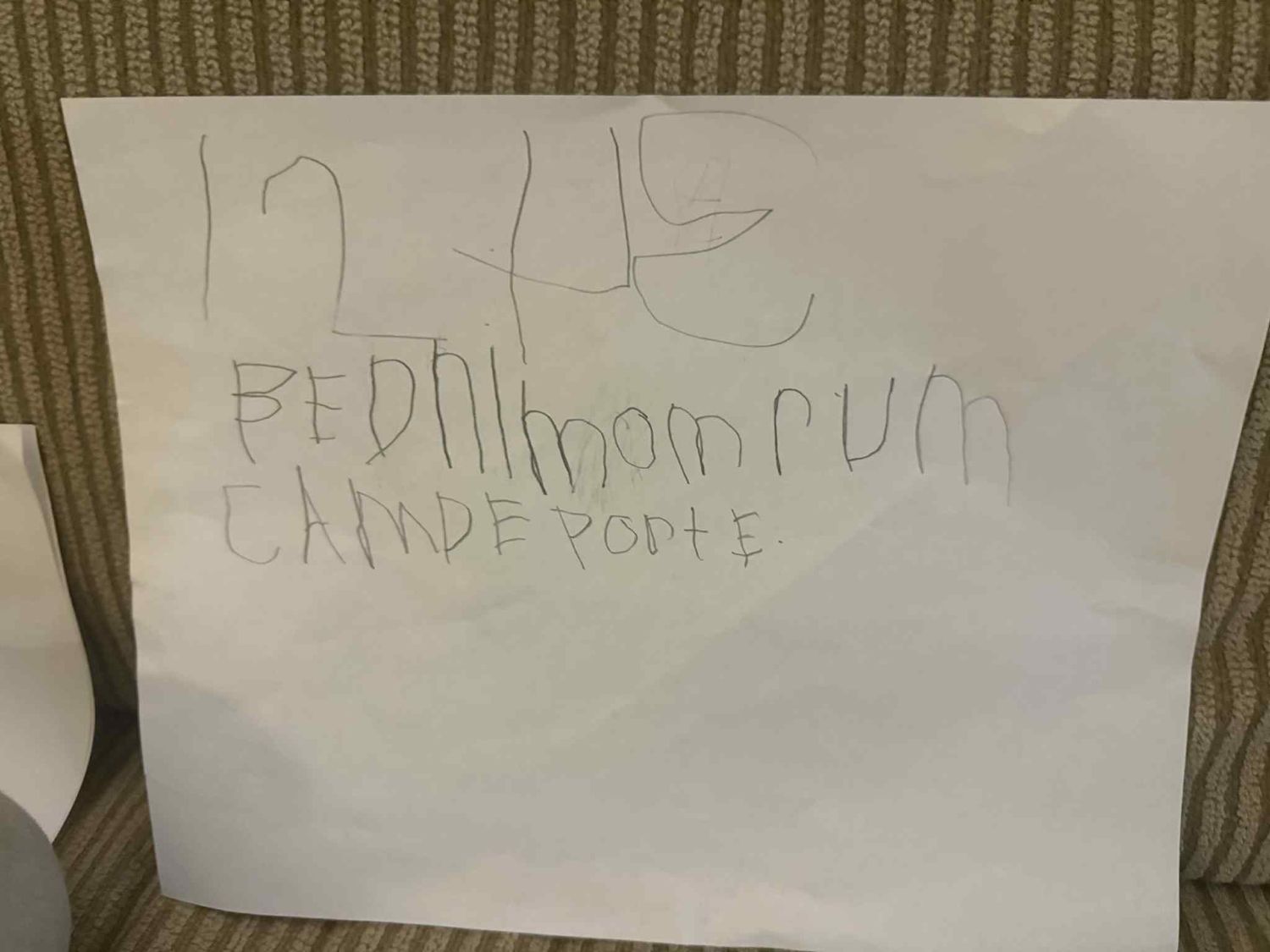
And yes—dictating words or stories to an adult is still writing. The ideas belong to the child, even when the handwriting doesn’t.
As kids get the mechanics of letter formations down, Handwriting Without Tears transitions into Building Writers—copying sentences, then writing narrative, opinion, and informational texts.
Real-life motivation matters:
- Helping write the grocery list
- Planning a party
- Making signs for a pretend store or museum (“Do Not Touch the Fossils”)
- Writing letters to grandparents or field trip thank-you notes
One of our current projects? The Science Museum of Minnesota’s Collector’s Corner.
Kids can bring a natural object and trade it for something else—but the more you know and write about it, the more points you earn. We found a snail shell, researched snail habitats, and my son is writing about where he found it and what he learned. That’s writing with purpose.
📖 Reading: Raising Lifelong Readers (Not Just Decoders)
One of my favorite quotes:
“The single most significant predictor of high academic achievement is reading to children.”
— Maria Evans, Family Scholarly Culture and Educational Success
And this one, too:
“Children are made readers on the laps of their parents.”
— Emilie Buchwald
Reading instruction matters—but relationship with books matters more.
In our home:
- Each night, my almost 6-year-old starts by reading to us—either a decodable reader, emergent reader, or leveled book.
- Then he chooses five picture books. (We visit the library weekly and bring home ~50 books around a theme—right now it’s Halloween.)
- We end with a chapter book together—Magic Tree House + Fact Trackers on my nights, Magic School Bus chapter books on Dad’s nights.
- Then (controversially, but honestly), he gets three YouTube videos about anything he wants to learn—bridges collapsing, how boats float, treehouses, the Titanic, how crayons are made.
During the day, “school” reading might include:
- Word sorts from Words Their Way
- Phonics from Little Minds at Work (amazing free resource library online)
- Poetry tea time, audiobooks while building Legos, or story acting when the mood strikes
The heart of reading is this: Give children something worth reading.
Phonics matters. Decodables are useful. But rich literature lights the fire.
➗ Math: Building Understanding Through Real Life, Not Just Worksheets
Math includes:
- Numbers and Operations
- Algebraic Thinking
- Geometry & Measurement
- Data Analysis & Probability
The challenge with math is that curriculum can feel either too rigid or too scattered. In schools, I’ve taught with programs like Everyday Math and found myself abandoning them halfway through the year because of the gaps.
Most curricula fall into one of two categories:
- Mastery-based (focus deeply on one skill until it’s solid)
- Spiral-based (revisit topics often, but without depth)
In the early years, I’ve found mastery-based programs lead to stronger foundations and confidence.
What We Use:
We love Math with Confidence for its short lessons, hands-on games before the workbook pages, and simple planning.
We’ve also explored Wild Math—which teaches math outdoors using sticks, rocks, snow, nature walks, and games. Strengths: nature-based, great book and game lists, very adaptable. Weakness: requires more planning and confidence from the parent.
Real-Life Math Ideas (Perfect Spots to Add Photos):
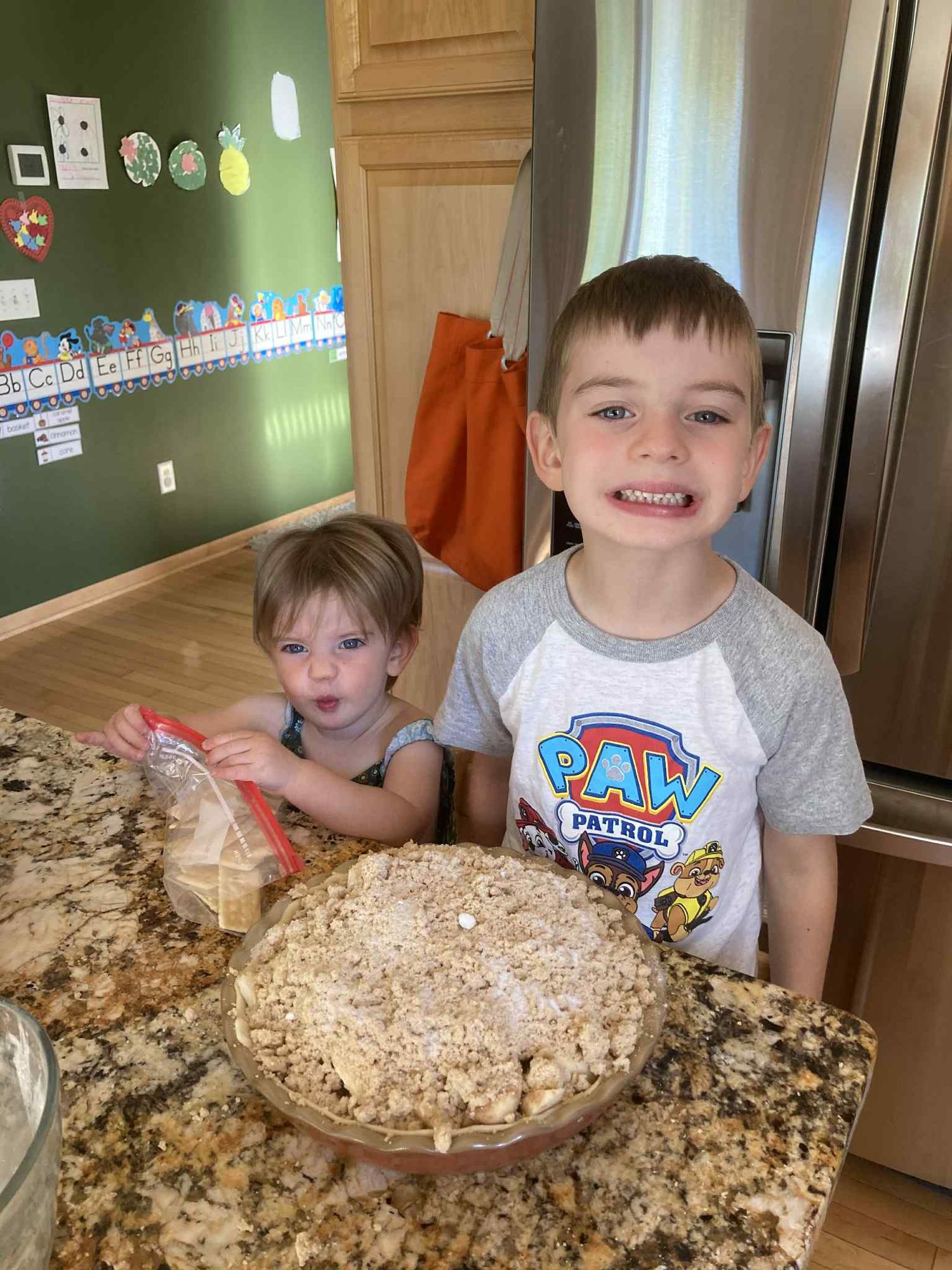
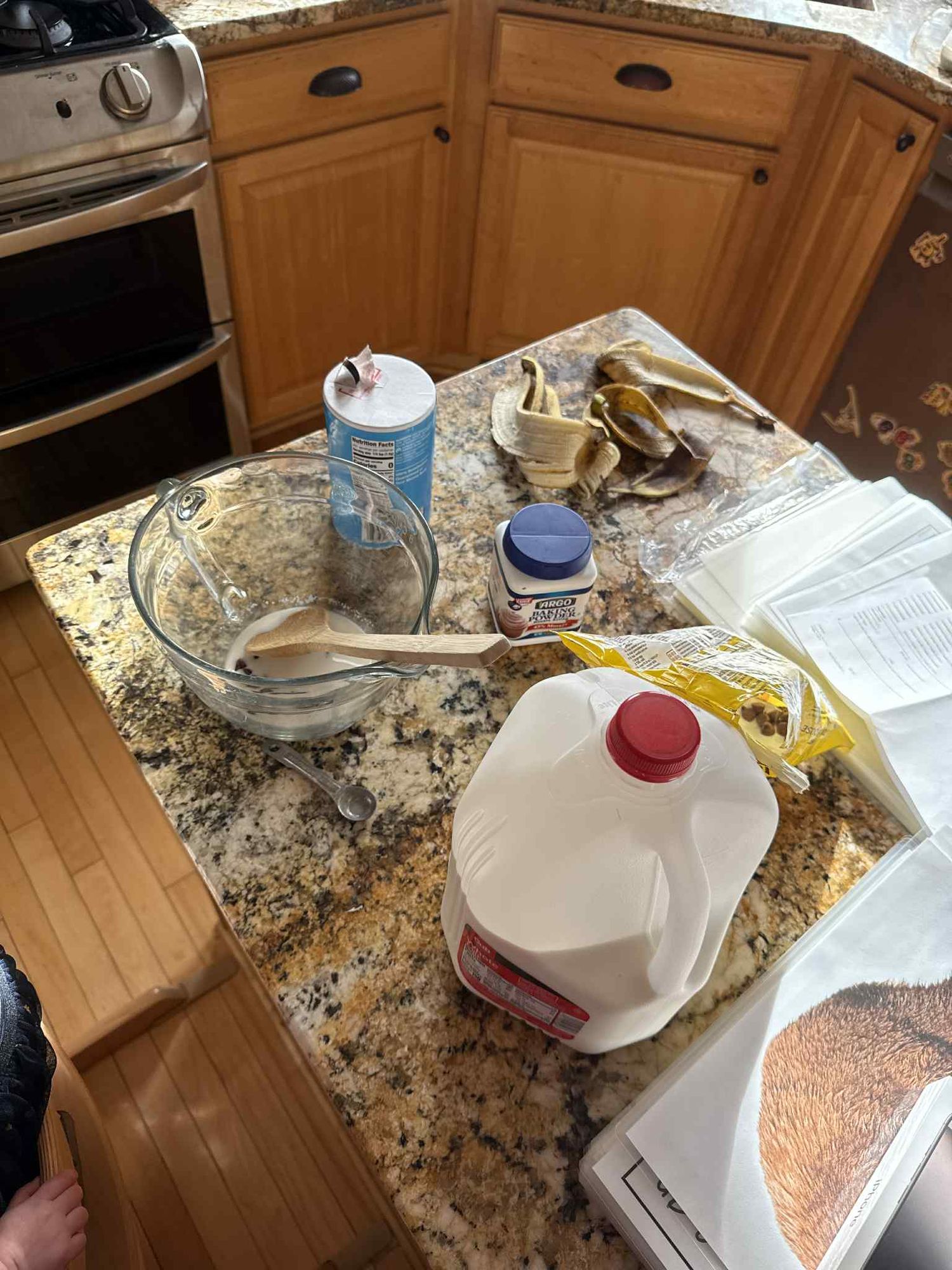
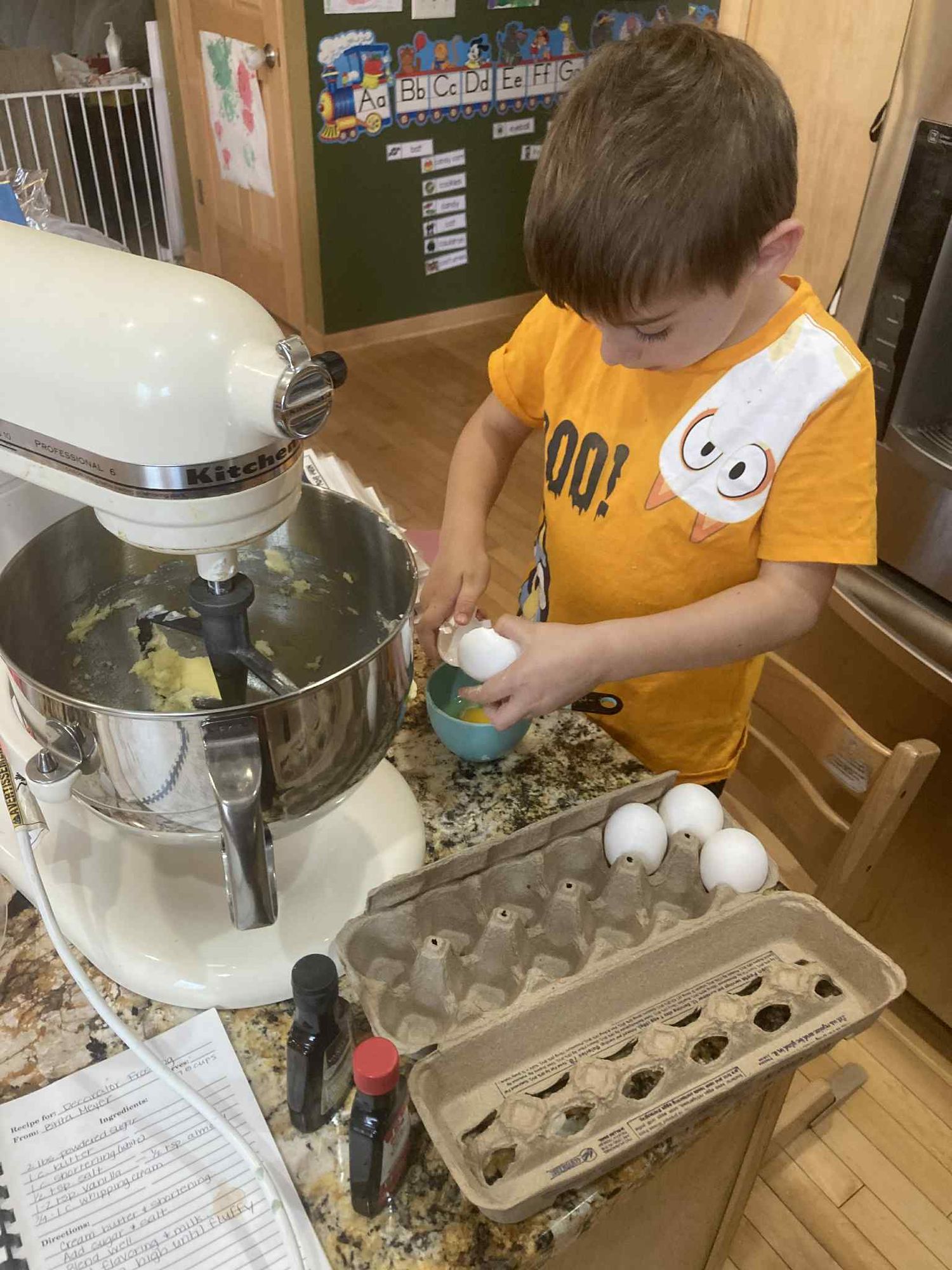
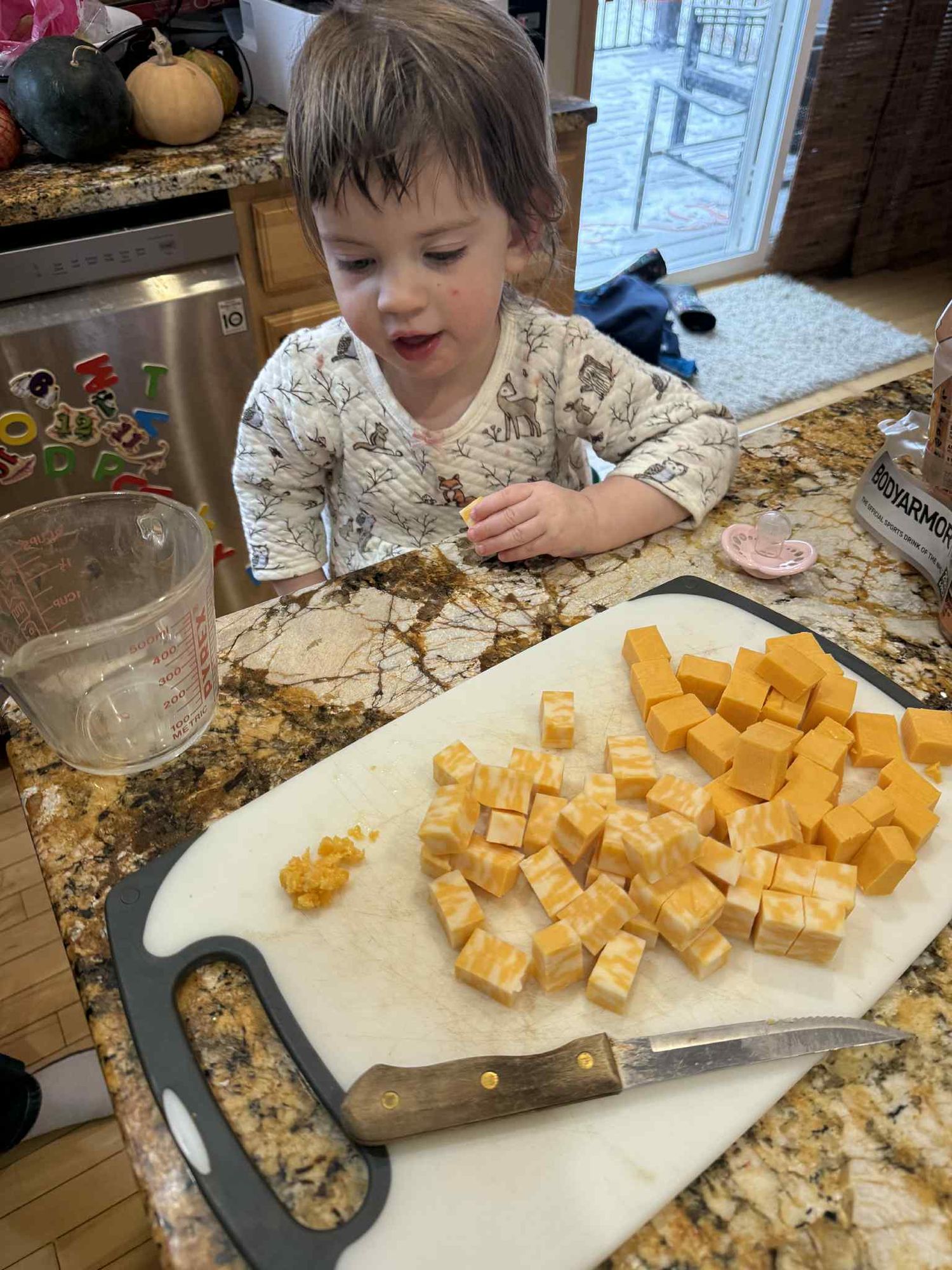
- Kitchen math: measuring flour, doubling recipes, comparing prices at a grocery store.
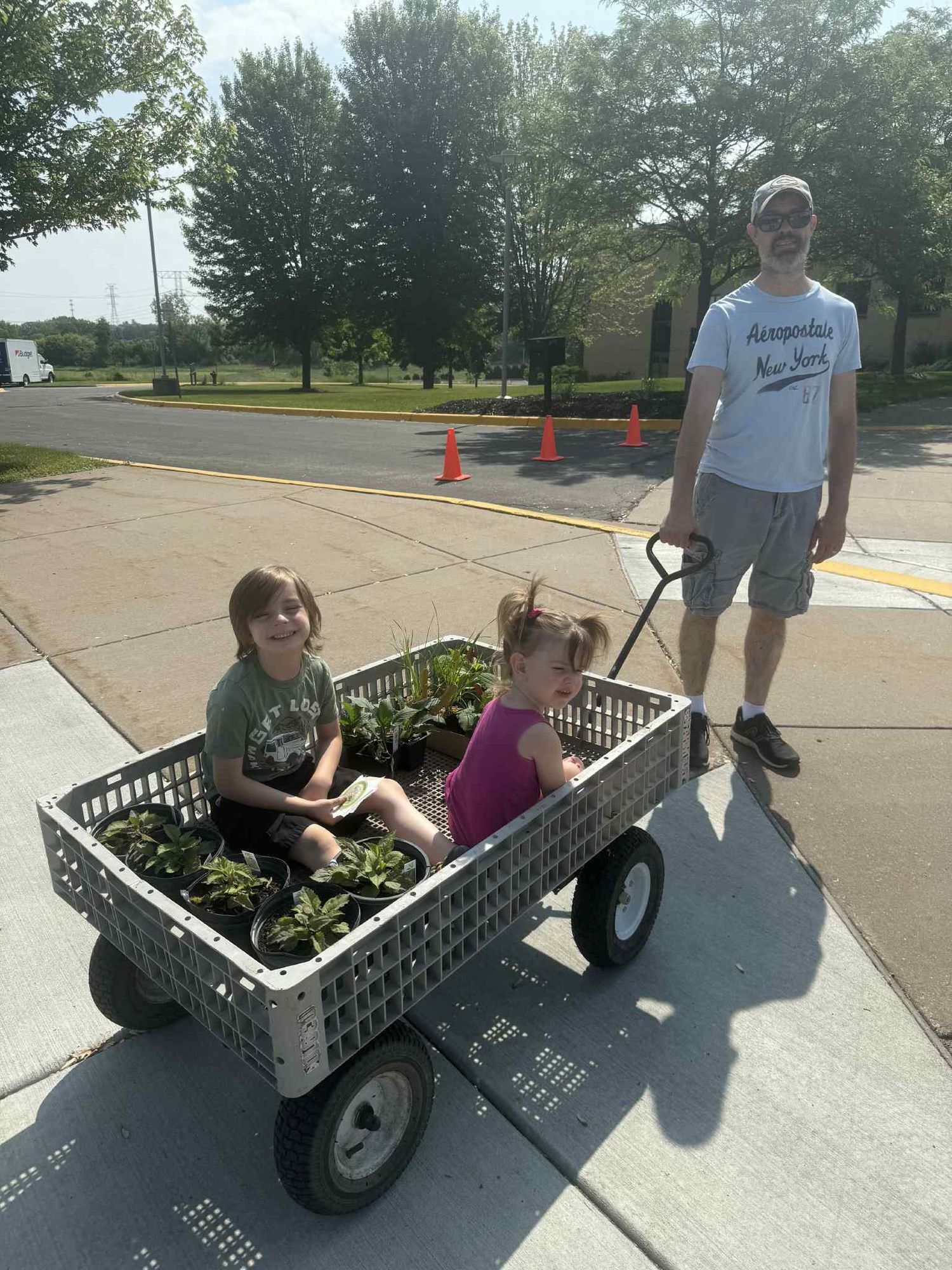
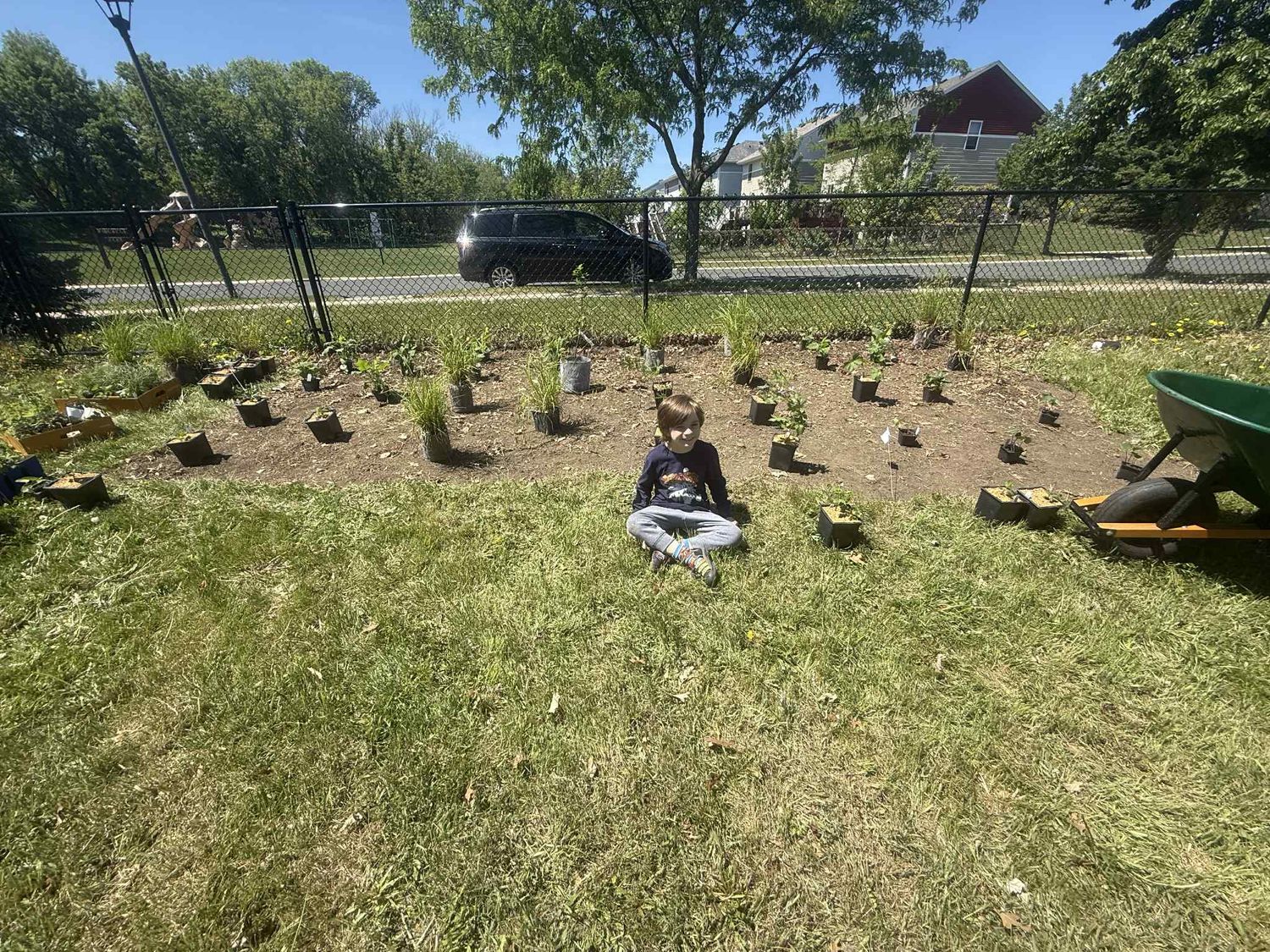
- Gardening math: seed spacing, counting sprouts, weighing harvests, measuring rainfall.
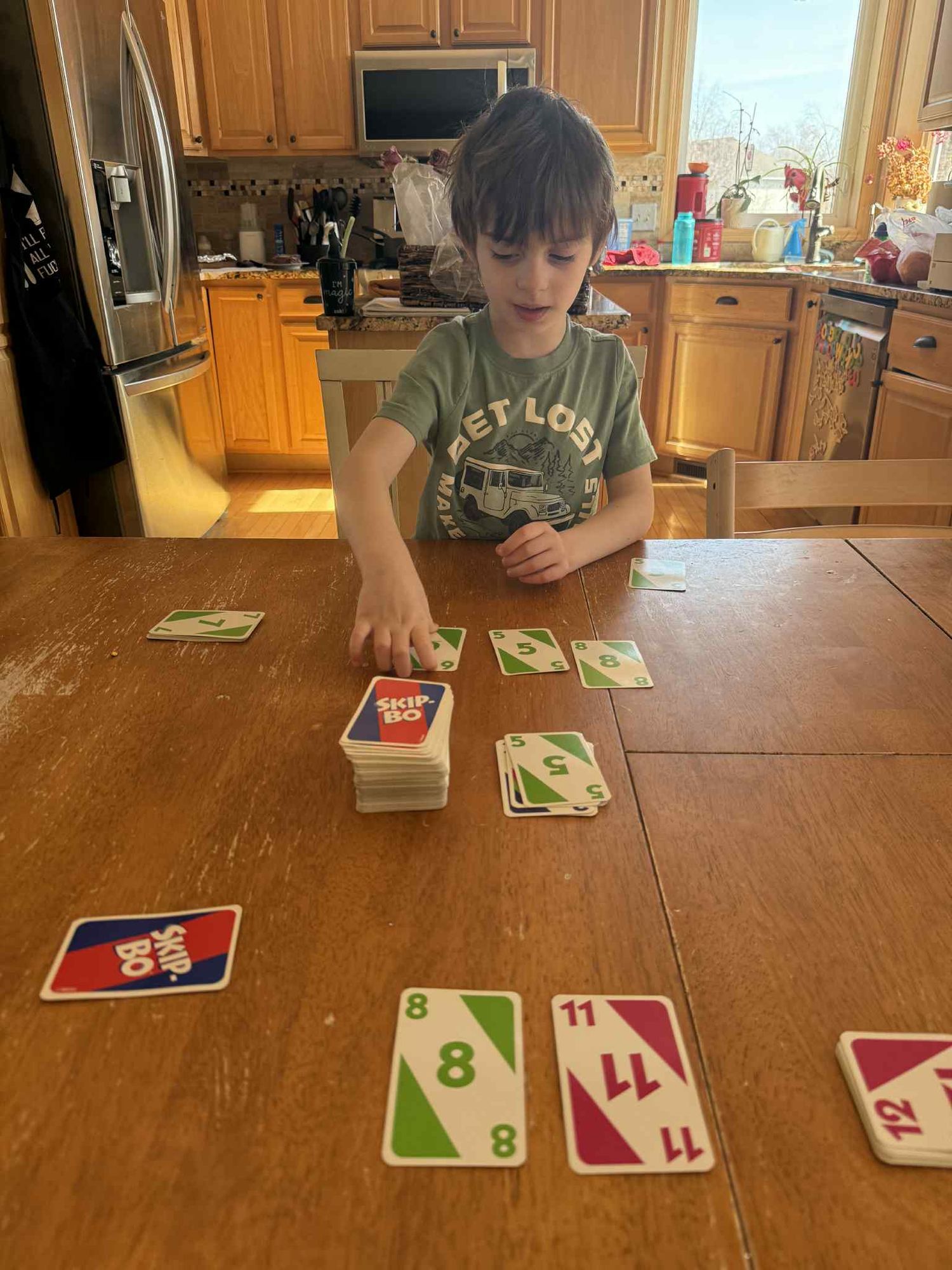
- Games: Uno, Yahtzee, Sum Swamp, Monopoly Jr., cribbage, dice games, card “war” with addition.
- Building: Lego blueprints, measuring boards for forts, drawing floor plans.
- Beading & patterns: Make bracelets and anklets to explore counting, symmetry, and skip counting.
🔬 Science: Wonder, Observation, Inquiry
Science in the early years is built on three simple actions:
Notice. Wonder. Ask questions.
Children don’t need a lab—they need time outside, curiosity, and adults willing to slow down and explore with them.
Science includes:
- Physical Science (motion, energy, matter)
- Life Science (plants, animals, habitats, life cycles)
- Earth & Space Science (weather, seasons, moon, rocks, water cycle)
- Engineering & Technology (designing, building, problem-solving)
🌿 How We Explore Science in Everyday Life
- Daily outdoor time—tracking animal prints in snow, spotting migrating geese, finding worms after rain, noticing the moon phases.
- Visiting nature centers—maple syrup tapping, learning about pollinators, apple orchards, raptor centers, prairie walks.
- Keeping nature journals or phenology wheels to track seasonal changes.
- Visiting places like the Science Museum of Minnesota (Collector’s Corner!), Bell Museum planetarium, local conservatories, planetariums, and observatories.
- Asking questions and testing them: Why do leaves change color? Where do frogs go in winter? How heavy is a pumpkin?
- Be sure to check out our post on all the learning that happened in our Native Layered Habitat we installed last spring!
📱 Citizen Science & Nature Apps We Love
Merlin Bird ID (Cornell Lab):
Identifies birds by sound, photo, or a few questions—perfect for nature walks and backyard birding.
Seek / iNaturalist:
Take a photo of a plant, insect, fungus, or animal—app identifies it and logs it to a nature database (or keeps it private for kids).
Great Backyard Bird Count:
A worldwide bird tracking event every February.
Project FeederWatch:
Tracks winter bird populations from November to April.
NestWatch:
Observe and report bird nest activity—eggs, hatchlings, fledglings.
Monarch Larva Monitoring Project:
Collect data on monarch caterpillars and milkweed.
FrogWatch / Firefly Watch / Bumble Bee Watch:
Report amphibian and insect sightings to help scientists study populations.
BioBlitz Events:
Families + scientists identify as many species as possible in one place/day. The book Bioblitz! Counting Critters is a great read aloud before going.
📚 Beautiful Science Picture Books
These books nurture curiosity and wonder while introducing real scientific concepts:
- “A Seed Is Sleepy,” “An Egg Is Quiet,” “A Rock Is Lively,” “A Butterfly Is Patient” by Dianna Hutts Aston & Sylvia Long
- Over and Under series by Kate Messner (forest, snow, pond, rain forest)
- Goodbye Winter, Hello Spring (and other seasonal titles) by Kenard Pak
- “Bioblitz! Counting Critters” and “Bird Count” by Susan Edwards Richmond
🗺 Social Studies: Real People, Real Places, Real Life
Social studies includes:
- History
- Geography
- Citizenship & Government
- Economics
- Ethnic Studies
Instead of textbooks, young children learn these best by living them.
Real-Life Social Studies Ideas:
- Needs vs Wants while shopping or planning a party.
- Goods & Services scavenger hunt at the mall, Main Street, or Science Museum’s trading post.
- History in daily life: baby photos vs now, old vs new phones/toys, visiting historical societies or farms.
- Government: vote as a family, create house rules and consequences, model peaceful problem solving.
- Economics: yard sale or lemonade stand, trading cards, earning money for chores, visiting farmer’s markets.
- Cultural experiences: powwows, art museums, cultural centers, reading stories by Indigenous, Black, and immigrant authors.
- Story-based history: Magic Tree House sparked conversations in our home about Titanic, Pompeii, dinosaurs, the moon, knights, and more. Ordinary People Change the World Series.
I’d be remiss if I didn’t include this:
Play is not extra. It is learning.
By play, I don’t mean Pinterest-perfect themed centers—I mean child-led, open-ended, imaginative play with no adult objective.
Play teaches:
- Language
- Problem-solving
- Negotiation & empathy
- Spatial awareness
- Fine & gross motor skills
- Risk-taking
- Self-regulation
- Emotional awareness
- Sensory input (& natural sensory regulation)
And beyond play—there’s learning in simply living life together:
- Cooking meals, setting the table
- Folding laundry, matching socks, vacuuming (sort of)
- Feeding pets, watering plants
- Grocery lists, taking mail to the post office
- Hiking, resting, gardening, building
- Pursuing hobbies, passions, and curiosity
🌾 Final Thoughts: Learning as a Way of Living
Unschooling often gets misunderstood, but at its core it is this:
Follow their curiosity. Keep things developmentally appropriate. Trust that learning sticks when it matters to the learner.
Children are always learning.
Sometimes our worksheets get in the way.
Education doesn’t have to be a race, a checklist, or a performance.
It can be a lifetime of moments—reading under blankets, muddy boots in the garden, tally marks in a nature journal, handwritten grocery lists.
Let curriculum guide you—but let life teach them.